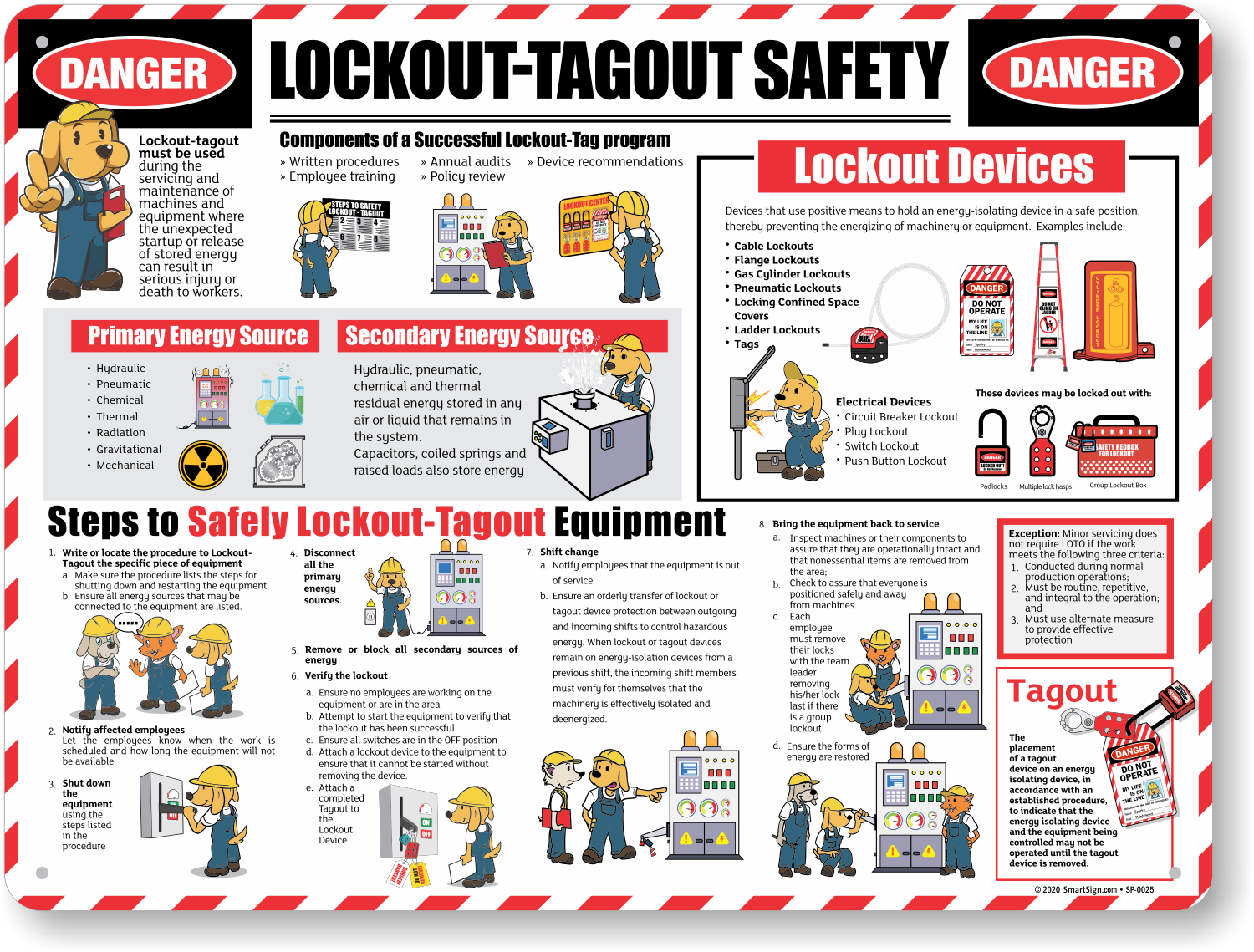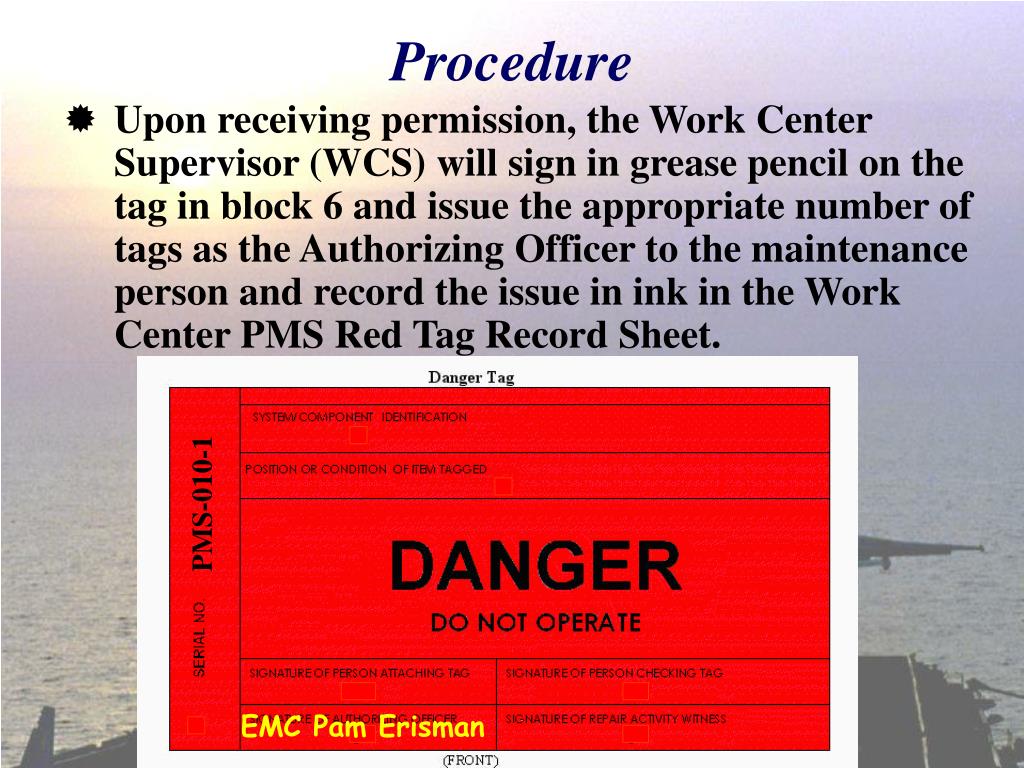
Safety procedures in industrial environments aren’t just policy—they’re lifelines. Among the most critical tools in this space is the Tag Out User Manual Rev 8, a document that standardizes how equipment is isolated, labeled, and secured during maintenance. Whether you're managing plant operations, overseeing facility safety, or executing maintenance work, understanding this revision is essential. It’s not just about reading a manual—it’s about preventing accidents, ensuring regulatory compliance, and building a culture where safety is operational, not optional.
Why the Tag Out User Manual Rev 8 Matters
The Tag Out User Manual Rev 8 isn’t a generic document; it’s a tailored protocol designed to support Lockout/Tagout (LOTO) procedures in high-risk environments. Unlike earlier revisions, Rev 8 incorporates updated risk assessment models, clearer visual labeling guidance, and enhanced workflows for multi-trade coordination. Its importance lies in its specificity: it doesn’t just describe what to do—it tells you how to do it safely, consistently, and in alignment with OSHA 1910.147 standards.
Consider this real-world scenario: A technician begins servicing a conveyor system without properly tagging out the motor disconnect. An unaware colleague re-energizes the circuit. Result? Severe injury. The Tag Out User Manual Rev 8 exists to prevent such incidents by detailing procedural checkpoints, roles, and verification steps that close gaps in communication and execution.
The manual is especially critical in facilities with rotating shifts, third-party contractors, or complex machinery where energy sources aren’t immediately visible. Rev 8 strengthens accountability by defining tag assignment, lock hierarchy, and verification responsibilities.
Key Components of the Rev 8 Manual
The value of the Tag Out User Manual Rev 8 lies in its structure. It’s not a collection of warnings—it’s a step-by-step operational guide. Key components include:
#### 1. Equipment Identification Matrix This section maps every piece of machinery to its energy sources (electrical, hydraulic, pneumatic, etc.) and specifies the correct tagout point. For example, a CNC machine might list three isolation points: main power disconnect, hydraulic pump valve, and emergency stop relay.
#### 2. Tagging Protocol Rev 8 introduces color-coded tag systems—red for electrical, yellow for mechanical, blue for fluid systems. Each tag includes the worker’s name, department, date, expected duration, and hazard description. This reduces ambiguity and increases traceability.
#### 3. Multi-Energy Source Isolation Sequence Unlike earlier versions, Rev 8 requires a documented sequence for systems with multiple energy types. For instance, a boiler system must be depressurized before electrical isolation—reversing this order risks steam release.
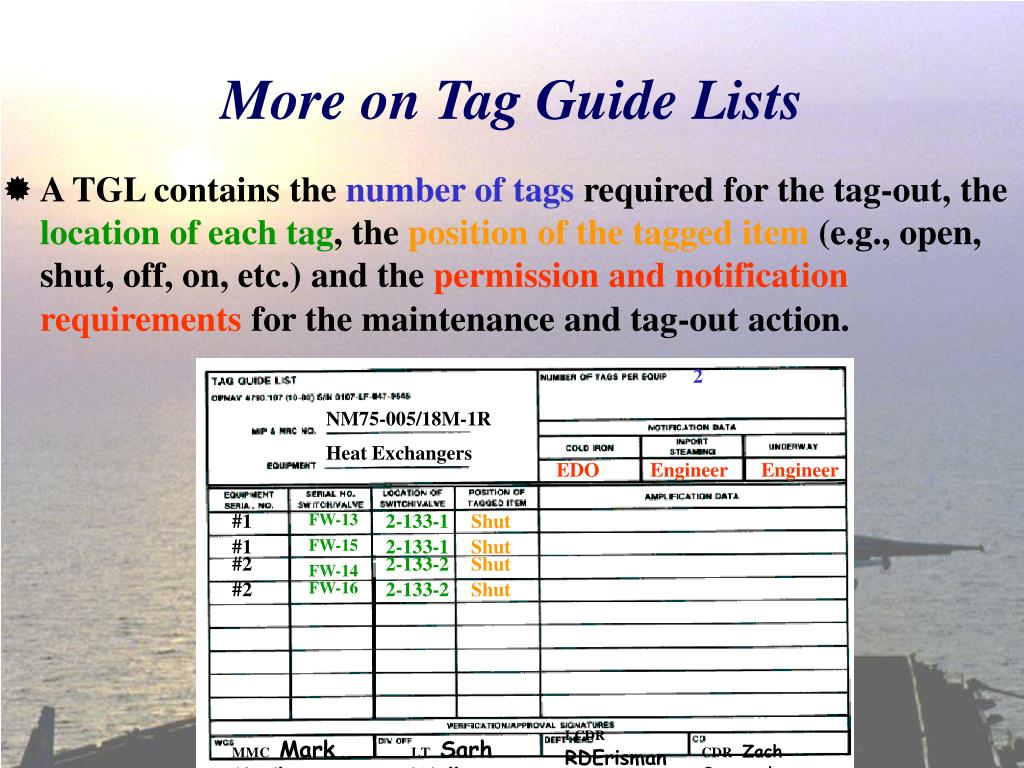
#### 4. Group Lockout Procedures When multiple technicians work on the same system, Rev 8 mandates a master lockbox. Each worker applies their personal lock to the box, which holds the single key to the main disconnect. Only when all locks are removed can the system be re-energized.
#### 5. Verification and Sign-Off Before work begins, a supervisor must verify isolation using test instruments (e.g., voltage testers, pressure gauges). This step is documented in the manual’s log section and requires digital or physical sign-off.
These components transform the manual from a passive document into an active safety workflow.
Common Misuses and Mistakes
with Rev 8
Even with a clear manual, implementation fails when users take shortcuts or misunderstand procedures. Here are frequent errors observed in the field:
- Assuming visual confirmation is enough. Just because a switch is off doesn’t mean the circuit is de-energized. Rev 8 requires instrument-based verification.
- Using generic tags. Pre-printed tags without worker names or dates violate Rev 8’s accountability rules.
- Skipping the energy source checklist. Workers often isolate only the primary power source, missing stored energy in capacitors or springs.
- Failing to update tags during extended jobs. If maintenance spans shifts, Rev 8 requires tag replacement or re-authorization every 12 hours.
- Ignoring contractor compliance. Third-party technicians must follow the same Rev 8 protocols, but often operate under different manuals. This creates dangerous gaps.
A mid-sized manufacturing plant reported a 40% drop in LOTO-related near-misses after auditing these five issues and retraining staff using Rev 8 as the standard.
How to Implement Rev 8 in Your Safety Program
Adopting the Tag Out User Manual Rev 8 isn’t just about distribution—it’s about integration. Follow this workflow for effective rollout:
- Audit Existing LOTO Procedures
- Compare current practices with Rev 8 requirements. Identify gaps in documentation, training, or hardware (e.g., missing lockboxes).
- Customize the Manual
- While Rev 8 provides a template, it must reflect your site-specific equipment. Add diagrams, site maps, and equipment IDs.
- Train by Role, Not by Department
- Maintenance technicians need hands-on tag application drills. Supervisors require verification training. Contractors must sign compliance agreements.
- Pilot Test with High-Risk Systems
- Start with boilers, presses, or automated lines. Use near-miss tracking to assess effectiveness.
- Schedule Quarterly Audits
- Rev 8 recommends internal audits to check tag accuracy, lock usage, and log completeness. Use a scoring system (e.g., 0–100) to track progress.
- Integrate with Digital Work Management Systems
- Some facilities use CMMS (Computerized Maintenance Management Systems) to assign digital tags linked to work orders. Rev 8 supports this if digital signatures and audit trails are preserved.
Implementation isn’t a one-time event—it’s a cycle of review, adjust, and reinforce.
Tools and Resources That Support Rev 8 Compliance
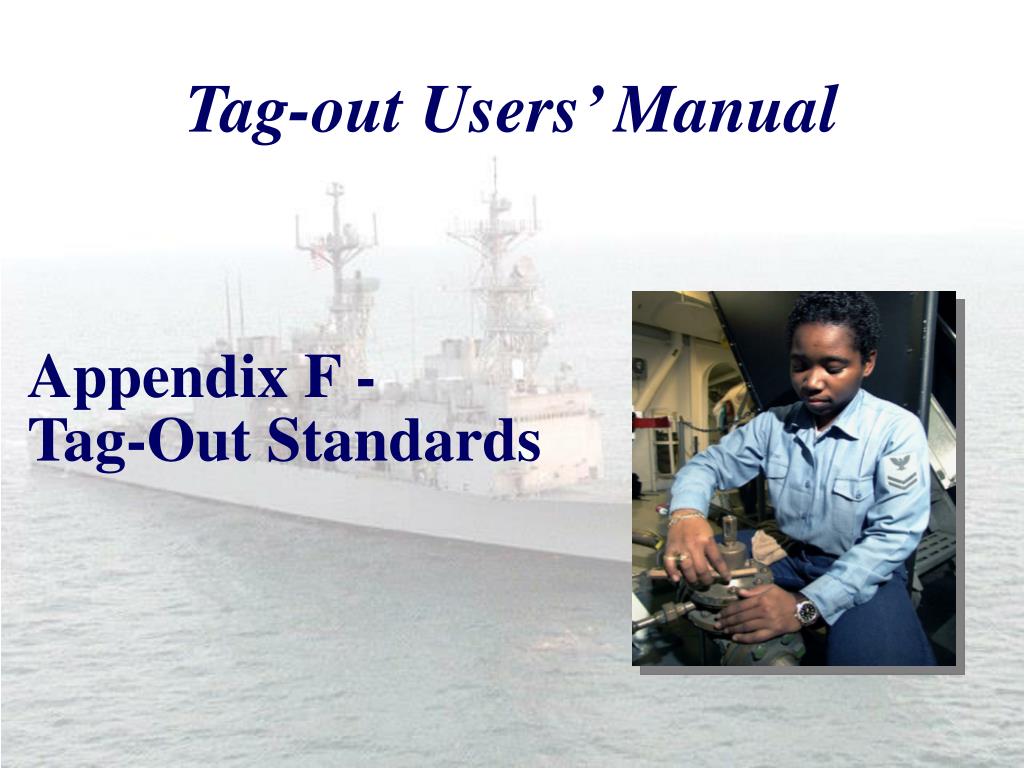
To execute the Tag Out User Manual Rev 8 effectively, teams need more than paper procedures. These five tools enhance compliance and reduce human error:
| Tool | Function | Rev 8 Alignment |
|---|---|---|
| Lockout Station Kits | Pre-assembled locks, tags, hasps | Ensures standardization across teams |
| Digital Tagout Apps | Mobile-based LOTO tracking with GPS and photo verification | Supports real-time logging and audit trails |
| Voltage Testers with Memory | Devices that record test results and timestamps | Meets Rev 8’s verification requirements |
| Master Lockout Boxes | Group lockout management with key control | Required for multi-worker scenarios |
| Training Simulators | VR or tabletop systems that simulate LOTO sequences | Reinforces muscle memory without risk |
These tools don’t replace the manual—they amplify its effectiveness.
Real-World Use Cases of Rev 8 in Action
Case 1: Automotive Assembly Plant A stamping press required bi-weekly die changes. After two minor injuries due to incomplete isolation, the plant adopted Rev 8. They implemented color-coded tags, mandatory test verification, and a digital log. Over 18 months, LOTO incidents dropped to zero.
Case 2: Wastewater Treatment Facility Pumps and grinders posed entanglement risks. Contractors weren’t consistently following internal procedures. The facility mandated Rev 8 compliance for all third parties and introduced a tag-in/tag-out kiosk with ID scanning. Compliance rose from 62% to 98%.
Case 3: Food Processing Line A mixer’s emergency stop was mistaken for full isolation. Rev 8’s multi-energy checklist revealed residual kinetic energy. The team added a 5-minute coast-down timer to the procedure, preventing potential contact during lockout.
These cases show that Rev 8 isn’t theoretical—it’s a practical framework for eliminating blind spots.
Limitations and Challenges of Rev 8
No system is perfect. While Rev 8 improves safety, it has limitations:
- Requires High Discipline: Success depends on consistent adherence. In high-pressure environments, workers may bypass steps.
- Not Automatically Enforced: The manual doesn’t lock equipment—it guides human action. Without supervision, compliance erodes.
- Site-Specific Gaps: Rev 8 is a template. If not properly customized, it may miss unique machinery or energy flows.
- Training Overhead: Effective use demands regular, role-specific training, which can strain resources in small teams.
These challenges don’t negate Rev 8’s value—they highlight the need for leadership commitment and continuous improvement.
Final Recommendations for Using Rev 8 Effectively
The Tag Out User Manual Rev 8 is more than a compliance document—it’s a cultural benchmark. To get the most from it:
- Assign ownership to a LOTO coordinator who audits and updates procedures.
- Display key Rev 8 rules near high-risk equipment.
- Use near-miss reports to refine your implementation.
- Revisit the manual annually, even if no incidents occur.
Safety isn’t achieved by having a manual—it’s achieved by using it correctly, every time. Rev 8 gives you the structure. Your team delivers the discipline.
Frequently Asked Questions
What is the Tag Out User Manual Rev 8 used for? It standardizes lockout/tagout procedures to ensure safe equipment isolation during maintenance and repair work.
How is Rev 8 different from earlier versions? It includes enhanced verification steps, group lockout protocols, color-coded tagging, and clearer multi-energy source guidance.
Who should use the Tag Out User Manual Rev 8? Maintenance technicians, facility managers, safety officers, and contractors working with energized equipment.
Does Rev 8 replace OSHA regulations? No. It supports compliance with OSHA 1910.147 but must be adapted to meet site-specific and regulatory requirements.
Can digital systems be used with Rev 8? Yes, if they provide equivalent accountability, verification, and audit trails as physical tags and logs.
Is Rev 8 mandatory? Not universally, but many organizations adopt it as a best practice. Regulatory agencies may reference it during inspections.
Where can I get a copy of the Tag Out User Manual Rev 8? It’s typically provided internally by employers or safety consultants. Some industry groups distribute templates for customization.
FAQ
What should you look for in Tag Out User Manual Rev 8: What You Need to Know? Focus on relevance, practical value, and how well the solution matches real user intent.
Is Tag Out User Manual Rev 8: What
You Need to Know suitable for beginners? That depends on the workflow, but a clear step-by-step approach usually makes it easier to start.
How do you compare options around Tag Out User Manual Rev 8: What You Need to Know? Compare features, trust signals, limitations, pricing, and ease of implementation.
What mistakes should you avoid? Avoid generic choices, weak validation, and decisions based only on marketing claims.
What is the next best step? Shortlist the most relevant options, validate them quickly, and refine from real-world results.