Machines don’t warn you before they start. A conveyor reactivates during maintenance. A press drops unexpectedly. A valve leaks steam because someone bypassed a lock. These aren’t rare events—they’re consequences of failed lock out tag out safety procedures.
Every year, hundreds of workers suffer severe injuries or fatalities because hazardous energy wasn’t properly controlled. The solution isn’t complex engineering—it’s consistent adherence to lock out tag out (LOTO) safety protocols.
This isn’t just about compliance. It’s about creating a culture where every technician, operator, and supervisor treats energy isolation as non-negotiable.
What Is Lock Out Tag Out Safety?
Lock out tag out safety is a systematic process to isolate energy sources from machinery before maintenance, repair, or servicing. The goal: prevent accidental startups or releases of stored energy—mechanical, electrical, hydraulic, pneumatic, chemical, or thermal.
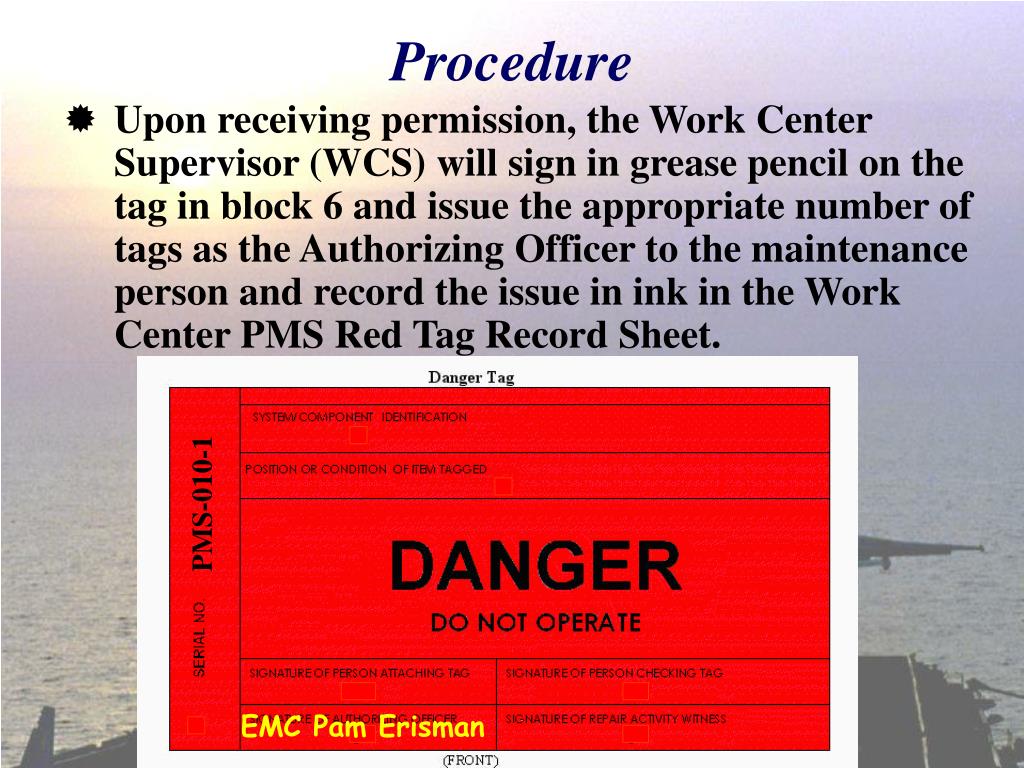
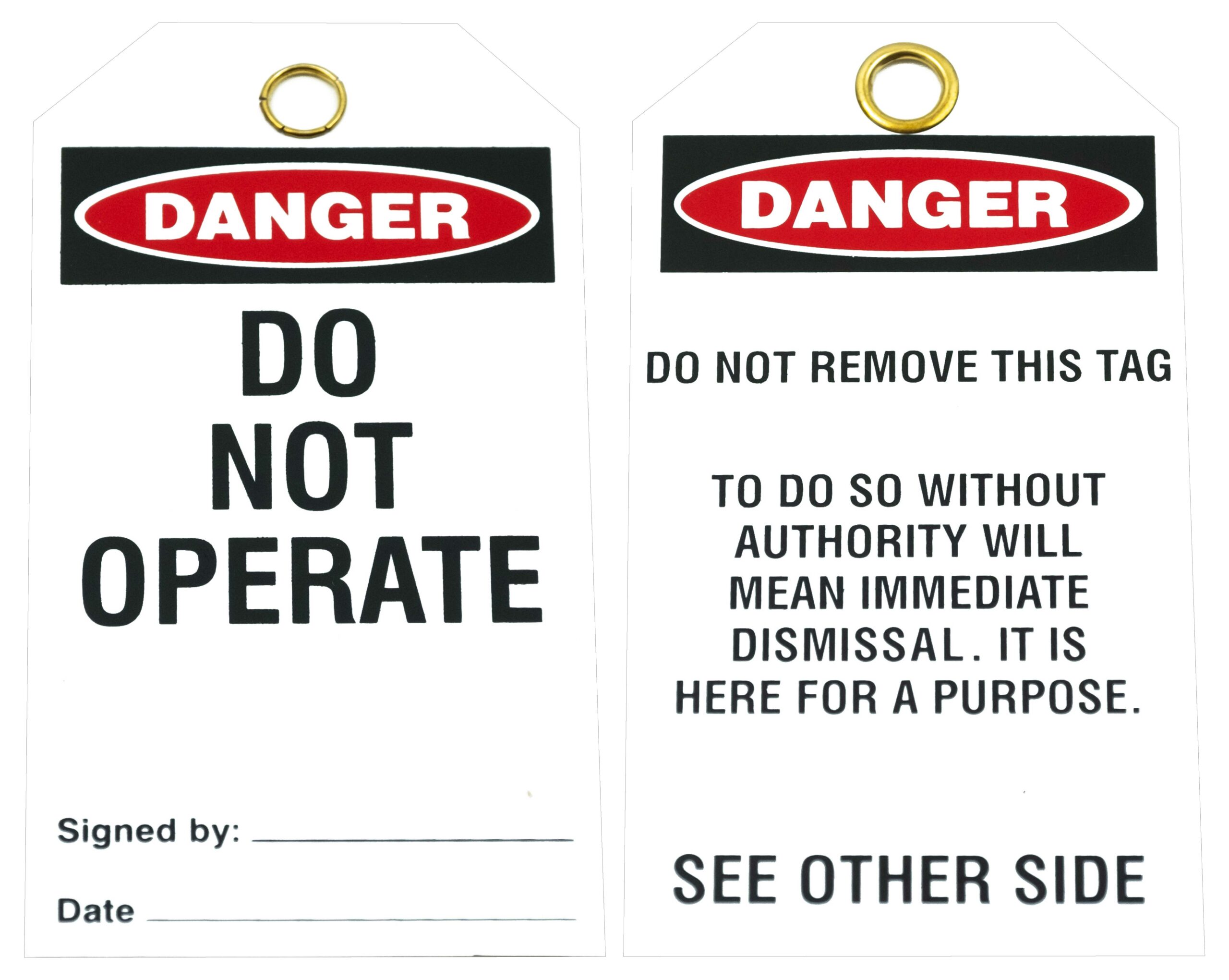
The lock out component physically secures an energy-isolating device—a circuit breaker, valve, or disconnect switch—with a personal lock. The tag out component attaches a warning tag explaining why the equipment is locked, who locked it, and when. Together, they form a human-centered barrier against catastrophic failures.
OSHA’s standard 29 CFR 1910.147 defines these procedures in detail. But real-world effectiveness depends on training, discipline, and verification—not just documentation.
Key Elements of a LOTO Program
A compliant and effective LOTO program includes: - Energy control procedures – Documented steps for each machine. - Employee training – Authorized and affected worker education. - Periodic inspections – At least annual audits by a supervisor. - Lockout devices – Locks, tags, hasps, valve covers, and plug locks. - Clear accountability – One person, one lock, one key.
Without these elements, even well-intentioned efforts collapse under pressure to “just get it done.”
Why Lock Out Tag Out Safety Fails in Practice
Compliance doesn’t equal safety. Many workplaces check the OSHA box but still face near-misses. Common breakdowns include:
- Improper sequence: Turning off a machine but not releasing residual pressure.
- Group lockout confusion: Multiple workers, one lock, or unclear coordination.
- Bypassing procedures: “Quick fixes” that skip isolation.
- Tag reliance over lock: Using tags without physical locks—allowed only in limited cases under OSHA.
- Lack of machine-specific procedures: Applying generic steps to complex equipment.
For example, a maintenance tech shuts down a packaging line, places a tag on the main disconnect, but doesn’t verify zero energy state. A coworker resets the breaker, assuming the tag is informational. The machine starts—resulting in a crushed hand.
This isn’t hypothetical. OSHA cites LOTO violations in its annual Top 10, with penalties reaching tens of thousands per incident.
When Is Lock Out Tag Out Required?
LOTO applies whenever servicing exposes workers to unexpected energization or startup. OSHA defines this as any activity where an employee: - Removes or bypasses a guard or safety device. - Places any body part into a point of operation. - Enters a danger zone associated with a machine’s motion.

Routine production tasks—like normal operating adjustments—may fall under minor servicing exemptions. But cleaning, jam clearance, blade replacement, or alignment work typically require full LOTO.
High-Risk Scenarios Requiring Strict LOTO
- Conveyor system maintenance
- Hydraulic press repair
- Boiler or steam line work
- Electrical panel servicing
- Robotic cell calibration
In one case, a food processing plant worker reached into a meat grinder to clear a jam. The machine had no lockout procedure. A supervisor restarted it remotely. The outcome was preventable—and a $165,000 OSHA fine.
Building Effective LOTO Procedures
A one-size-fits-all approach fails. Each machine needs a tailored procedure. Start with a risk assessment: identify all energy sources and release points.
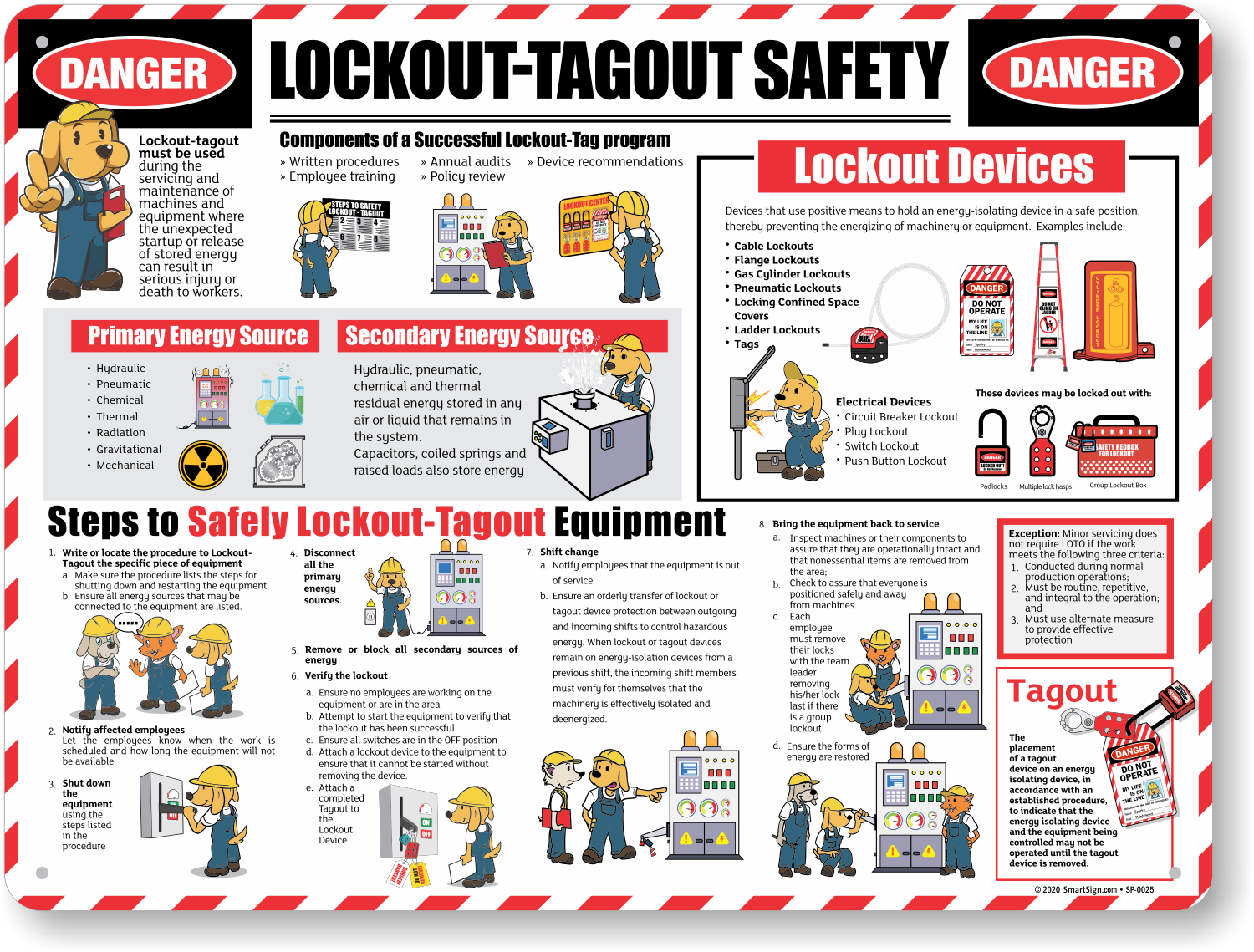
Step-by-Step LOTO Procedure
- Preparation – Notify affected employees. Identify energy types and magnitudes.
- Shutdown – Use normal stopping procedures.
- Isolation – Shut off all energy sources (electrical breakers, valve closures).
- Lockout/Tagout – Apply personal locks and tags to each isolating device.
- Control stored energy – Bleed pressure, block moving parts, discharge capacitors.
- Verify isolation – Attempt to start the machine (after ensuring safety), then return to zero energy.
- Perform work – Only after confirmation.
- Restore equipment – Remove locks, re-energize, notify staff.
Verification is the most overlooked step. Never assume isolation is complete without testing.
Training and Compliance: The Human Factor
LOTO isn’t just about hardware—it’s behavioral. Two roles are defined: - Authorized employees – Perform LOTO and service equipment. - Affected employees – Operate or use equipment but don’t service it.
Training must be role-specific. Authorized workers need hands-on practice isolating complex systems. Affected workers must recognize tags and understand not to remove locks.
Annual retraining and periodic audits are required. But effective programs go further—using drills, shadowing, and “surprise” equipment checks to reinforce discipline.
One manufacturing site reduced LOTO violations by 78% after introducing monthly verification drills. Supervisors randomly selected machines and checked for proper lockout status during maintenance. Workers adapted quickly—because they knew accountability was constant.
Common Mistakes That Undermine LOTO Safety
Even experienced teams make errors. The most frequent: - Using master keys or shared locks – Defeats personal accountability. - Skipping stored energy control – Especially with pneumatic or spring-loaded systems. - Incomplete documentation – Vague or outdated procedures. - Failing to verify isolation – Relying on switch positions alone. - Poor lockout device quality – Flimsy tags, easily duplicated locks.
A chemical plant once used generic lockout kits. A valve lockout failed under vibration. Pressurized solvent released, causing chemical burns. The fix: upgraded, equipment-specific devices with tamper-resistant design.
LOTO Devices and Tools: Choosing the Right Equipment
The right tools prevent shortcuts. Devices must be durable, standardized, and identifiable.
Here are five essential LOTO tools and their applications:
| Device | Purpose | Best Use Case |
|---|---|---|
| Padlocks | Personal lockout | Electrical disconnects, control panels |
| Valve Lockouts | Secure closed valves | Steam, gas, hydraulic lines |
| Circuit Breaker Locks | Prevent breaker activation | Electrical maintenance |
| Hasps | Multi-lock attachment | Group lockout scenarios |
| Plug Lockouts | Block power cords | Portable equipment servicing |
Avoid universal keys. Each worker should have a unique lock with only one key—kept on their person.
Group Lockout: Coordinating Multiple Workers
When three people service a single machine, coordination is critical. OSHA allows group lockout using a lockout box: - The primary authorized employee applies a group lock to the energy source. - Each worker places their personal lock on the box. - Keys remain with individual workers. - The machine stays locked until every worker removes their lock.
Missteps happen when communication breaks down. A common failure: one worker leaves early, and a supervisor removes their lock to “save time.” This violates LOTO principles and risks lives.
A steel mill avoided this by implementing a digital sign-out board. Workers scan in and out of LOTO zones. Supervisors can’t proceed without full clearance. Downtime dropped—and safety improved.
Real-World LOTO Success: Lessons from the Field
A wastewater treatment plant faced recurring injuries during pump maintenance. After a near-miss involving a flooded sump, they redesigned their LOTO process: - Created machine-specific checklists. - Installed lockout stations near high-risk equipment. - Required photo verification of isolation before work.
Within 18 months, energy control incidents dropped to zero. Productivity increased—because workers trusted the system and didn’t delay tasks waiting for approvals.
This shows: strong LOTO isn’t a bottleneck. It’s an enabler of safer, more efficient work.
Make Lock Out Tag Out Safety Uncompromising
Accidents don’t happen because people ignore danger. They happen because procedures are unclear, rushed, or inconsistently applied. Lock out tag out safety works when it’s embedded in daily operations—not treated as a compliance afterthought.
Audit your procedures. Test them under realistic conditions. Empower workers to stop work if isolation isn’t verified.
The machine can wait. The worker shouldn’t.
FAQ
What is the difference between lock out and tag out? Lock out uses a physical lock to prevent energy activation. Tag out uses a warning tag. OSHA requires lockout for full protection—tagout alone is permitted only in specific cases with additional safety measures.
Who is responsible for applying LOTO? Authorized employees perform lockout. Each worker servicing equipment must apply their own lock. Supervisors verify the process.
Can you use someone else’s lockout device? No. Locks must be personal. Shared or master-keyed locks defeat accountability and violate OSHA standards.
What counts as hazardous energy? Electrical, mechanical, hydraulic, pneumatic, chemical, thermal, or gravitational energy that could harm workers during servicing.
Do routine tasks require LOTO? Minor, routine tasks during normal production may be exempt if they involve minimal risk and follow established work practices. Any task exposing workers to danger zones requires LOTO.
How often should LOTO procedures be reviewed? At least annually. Also review after equipment changes, incidents, or near-misses.
Can digital systems replace physical locks? Not currently under OSHA. Electronic systems may support LOTO but can’t replace physical locks and tags unless they meet strict performance criteria.
FAQ
What should you look for in Lock Out Tag Out Safety: Preventing Accidental Equipment Startups? Focus on relevance, practical value, and how well the solution matches real user intent.
Is Lock Out Tag Out Safety: Preventing Accidental Equipment Startups suitable for beginners? That depends on the workflow, but a clear step-by-step approach usually makes it easier to start.
How do you compare options around Lock Out Tag Out Safety: Preventing Accidental Equipment Startups? Compare features, trust signals, limitations, pricing, and ease of implementation.
What mistakes should you avoid? Avoid generic choices, weak validation, and decisions based only on marketing claims.
What is the next best step? Shortlist the most relevant options, validate them quickly, and refine from real-world results.